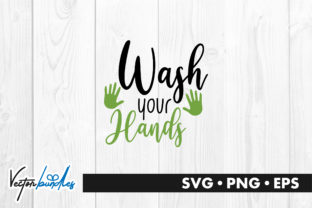
Wash Your Hands Quote: A Designer's Real-World Embroidery Review
As someone who has spent years reviewing machine embroidery design files for both personal hobby projects and commercial client work, I approach every new download with a mix of excitement and skepticism. You never know if a digital file will translate beautifully onto fabric or end up as a tangled mess in the hoop. Today, I am putting the Wash Your Hands Quote through its paces to see how it holds up in a real-life scenario. This isn't just about downloading a file; it is about understanding how this specific graphic functions as a finished product in the hands of a crafter, an Etsy seller, or a small business owner.
The first impression of the Wash Your Hands Quote is one of immediate utility mixed with a touch of warmth. In the world of Crafts and Graphics, there are thousands of generic phrases, but this design feels like it was born from a need for practical yet stylish communication. The layout suggests a clear, legible message that works well for a variety of contexts, from pandemic-era reminders to general hygiene awareness. Visually, it carries a personality that is friendly rather than clinical, making it perfect for home goods, baby items, or boutique apparel where you want to convey care without being overly stern.
From Digital File to Finished Product: A Real Project Scenario
Let me walk you through a realistic use case. Imagine you are preparing inventory for a local craft fair or updating your Etsy shop with seasonal holiday gifts. You decide to create a line of custom embroidered kitchen towels and tote bags featuring essential safety messages. This is where the Wash Your Hands Quote becomes incredibly valuable. It transforms a mundane reminder into a charming decorative element.
When I visualize this design stitched onto a heavy cotton canvas tote bag, the impact is strong. The phrase acts as a focal point, elevating the perceived value of what could otherwise be a plain item. For a handmade shop owner, this is gold. It allows you to offer a personalized gift that feels thoughtful and relevant. Whether it is stitched on a linen apron for a cooking class or on a soft sweatshirt for a family member, the design bridges the gap between a functional object and a piece of art. It signals to the customer that the maker cares about details, which builds trust and encourages repeat business.
Performance on Different Fabrics and Garments
In my experience, the success of any embroidery project depends heavily on the substrate. The Wash Your Hands Quote is versatile, but it shines brightest on stable, medium-to-heavy weight fabrics. Think of sturdy denim for a cap, thick fleece for a sweatshirt, or crisp poplin for a baby onesie. On these materials, the stitches lay flat, and the text remains crisp and readable.
However, there are areas where caution is required. If you plan to use this design for commercial embroidery on stretchy knits or very thin fabrics, you must proceed carefully. Stretchy fabrics can cause the lettering to distort, especially if the design relies on tight spacing. Similarly, on textured fabrics like bouclé or rough wool, fine details might get lost in the weave. I recommend testing the embroidery file on a scrap piece of your actual material before committing to a final production run. This step ensures that the stitch density is appropriate and that the design does not pucker the fabric.
For smaller items like patches or caps, the curvature of the surface adds another layer of complexity. While the design is likely optimized for standard hoops, placing it on a curved hat brim requires precise stabilization. If the design includes tiny letters or intricate corners, those elements might struggle to hold their shape on a small hoop size. Always inspect the design assets closely to ensure that the smallest details are large enough to be stitched clearly without becoming blobby blobs of thread.
Visual Appeal and Brand Consistency
One of the most critical aspects of selling handmade products is brand consistency. The Wash Your Hands Quote offers a clean aesthetic that fits well within a modern, minimalist brand identity. When used correctly, it enhances the visual appeal of the finished product without overwhelming the garment. The balance between the text and the negative space (if present) determines how professional the item looks.
If you are an Etsy seller creating mockups, this design is excellent for showcasing. It translates well into printable mockup images, allowing you to preview how different thread colors look against various backgrounds. For instance, using white thread on a navy blue towel creates a classic, high-contrast look that screams quality. Conversely, a tonal stitch, like light gray on dark gray, offers a more subtle, sophisticated vibe. The key is to match the thread choice to the intended mood of the product.
Practical Notes for the Embroidery Designer
Before you hit the start button on your machine, there are several technical considerations to keep in mind. First, always check the hoop size requirements listed in the file description. Using a design that is too large for your machine's hoop is a common frustration. Second, review the stabilizer recommendations. Heavier designs often require cut-away stabilizers to maintain integrity over time, especially for items that will be washed frequently, like kitchen towels.
Thread color contrast is paramount. A design that looks great in a black-and-white digital preview might fail in reality if the thread color blends too much with the fabric. Test your combinations by holding the fabric up to the screen or printing the design in grayscale to simulate the effect. Additionally, verify the licensing terms before selling any items made with this design. Some digital embroidery files come with restrictions on commercial use, while others allow you to sell unlimited finished goods. Knowing this upfront protects your craft business from potential legal issues.
Finally, consider the durability of the design. Items that undergo frequent washing, such as aprons or baby clothes, need robust stitching. Ensure that the satin stitch and fill stitch densities are balanced so the design doesn't unravel after a few laundry cycles. If the design includes a running stitch outline, make sure it is long enough to prevent fraying but short enough to look neat.
Final Thoughts on Value and Usability
The Wash Your Hands Quote stands out as a practical, high-value asset for anyone looking to expand their repertoire of custom apparel or holiday embroidery. It solves a real problem for designers who need reliable, timely graphics that resonate with current events or general wellness themes. Its ability to adapt to various products—from pillow covers to wedding gifts—makes it a versatile addition to any library of graphics.
Whether you are a seasoned pro or a beginner exploring the world of applique design or basic embroidery, this file offers a solid foundation. It respects the limits of the medium while delivering a message that matters. By taking the time to test, stabilize, and choose the right threads, you can turn this simple quote into a standout product that customers love. Ultimately, the best designs are those that feel natural in the hands of the maker and the heart of the user, and this one certainly fits that bill.