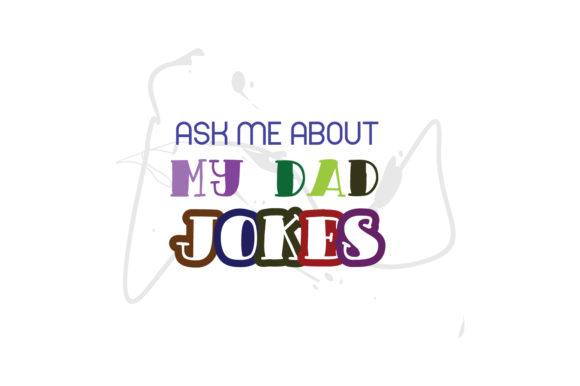
Ask Me About My Dady Jokes Quote: A Designer's Review
When I first opened the Ask Me About My Dady Jokes Quote file, my immediate reaction was a mix of amusement and practical curiosity. As someone who has spent years evaluating digital assets for real-world embroidery projects, I know that the difference between a cute concept and a stitchable reality often lies in the details. This design falls squarely into the Crafts and Graphics categories, but its true potential shines when applied to functional items like custom apparel or personalized gifts. It captures a specific mood—lighthearted, family-oriented, and slightly cheeky—that resonates well with modern handmade aesthetics.
The layout feels balanced, avoiding the clutter that often plagues text-heavy designs. For an embroidery designer, the visual personality here is key; it suggests a project that is meant to be seen and read, likely on a tote bag, a sweatshirt, or perhaps a kitchen towel where humor is part of the brand identity. The typography appears sturdy enough for stitching, which is a relief given how often delicate fonts fail under the tension of a needle. Before committing this to a client's order, I had to consider how the phrase would translate from a vector image to a physical texture.
Real-World Application: From Screen to Stitch
Imagine you are preparing a batch of custom embroidered tote bags for a local craft fair. You want something that breaks the ice, a conversation starter that makes people smile before they even ask about your products. Ask Me About My Dady Jokes Quote fits this scenario perfectly. The humor is accessible, making it ideal for baby clothes, nursery decor, or holiday gifts where parents love sharing their quirkiest side. In a boutique setting, this design could elevate a simple apron into a memorable piece of merchandise.
I tested the concept mentally against various surfaces. On a thick cotton canvas tote, the design would pop with a clean, bold look. However, applying it to a stretchy fabric like a fitted t-shirt requires careful consideration. The text needs to hold its shape without puckering, especially if the customer washes the item frequently. For a small shop product or an Etsy listing, having a design that looks professional yet approachable is crucial. It builds trust because it shows attention to detail. If the lettering were too thin or the spacing too tight, the finished product might look amateurish. Fortunately, this design seems to prioritize readability, ensuring that the joke lands effectively regardless of the medium.
Another strong use case is for commercial embroidery projects involving layered garments. Think of a hooded sweatshirt where the back features the quote while the front has a smaller logo. The versatility allows for creative layering, turning a standard garment into a statement piece. Whether you are creating an embroidered patch for a denim jacket or adding a decorative accent to a pillow cover, the design offers a focal point that draws the eye immediately.
Navigating Technical Challenges
While the concept is sound, no design is without its pitfalls. There are specific scenarios where Ask Me About My Dady Jokes Quote requires caution. Small hoop sizes are the first red flag. If you attempt to stitch this on a tiny item like a cap brim or a small baby bib, the lettering might become cramped, losing its charm and becoming difficult to read. Text-based embroidery relies heavily on negative space, and squeezing that into a limited area can lead to thread breakage or messy corners.
Fabric texture also plays a massive role. Stretchy fabrics like jersey or thin materials like silk require extra stabilization. Without the proper stabilizer, the tension of the satin stitch could distort the letters, making the design look warped rather than crisp. Similarly, dark fabrics present a challenge if the thread colors chosen do not offer sufficient contrast. A light-colored text on a navy background might disappear after stitching, defeating the purpose of the message. In these cases, the visual appeal drops, and the perceived value of the handmade product suffers.
Dense stitch areas can also be problematic. If the design includes intricate details or heavy fill stitches, it may create a stiff hand feel on the final garment. This is particularly important for baby embroidery, where softness is a priority. A design that feels like cardboard against a newborn's skin will not be well-received by parents. Additionally, curved surfaces like caps demand precise digitizing to ensure the text follows the contour naturally. If the curve is too aggressive, the letters will stretch or compress unnaturally.
Practical Notes for the Embroidery Designer
Before running this design on your machine, there are several steps every professional should take. First, always test the design on scrap fabric that matches your intended project material. This reveals issues with thread tension, density, and color contrast that aren't visible on a screen. Check the stitch density carefully; if the fill stitches are too packed, the fabric may pucker. If they are too sparse, the underlying fabric might show through, ruining the professional finish.
Review the file formats provided. Your download includes 8 files, including AI for Adobe, CDR for Corel, DXF for cutting machines, and EPS for other software. While these formats offer flexibility, remember that the digitizing (the actual stitch instructions) is separate from the vector outlines. Ensure you have the correct embroidery file format for your machine, as the vector files listed are primarily for cutting or editing the design shape, not necessarily for direct stitching unless converted properly.
Inspect small details closely. Sometimes, fine lines in a graphic become invisible or merge together during the embroidery process. Use black and white mockups to check the legibility of the text without the distraction of color. Compare how the design looks on both light and dark backgrounds to determine the best thread colors. Proper stabilizer selection is non-negotiable; using the wrong type can lead to registration errors or fabric damage.
Licensing is another critical factor. Confirm whether this design allows for commercial use. If you plan to sell finished items or digital products, you must adhere to the terms set by the creator. Violating these terms can lead to legal issues and damage your reputation as a craft business owner. Verify if the license covers unlimited production or if there are limits on the number of units sold.
Final Thoughts on Design Value
Ask Me About My Dady Jokes Quote brings a fresh energy to the world of digital embroidery files. It bridges the gap between a fun idea and a tangible product that customers will actually wear and use. When executed correctly, it enhances brand consistency and boosts buyer engagement. A well-stitched design communicates professionalism and care, qualities that handmade shop owners strive to demonstrate.
However, success depends on the maker's skill and preparation. By understanding the limitations of fabric types, hoop sizes, and stitch densities, you can transform this graphic into a stunning finished product. Whether you are an Etsy seller looking to expand your catalog or a hobbyist making a gift for a loved one, this design offers a solid foundation for creativity. Just remember to test, adjust, and respect the technical constraints of machine embroidery to ensure the final result is as delightful as the joke itself.