Cancel My Subscription: An Embroidery Designer's Verdict
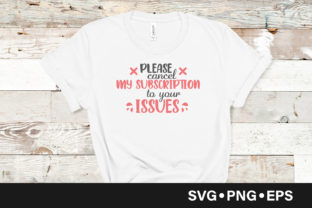
When I first opened the file for Please Cancel My Subscription to Your Issues, I didn't just see a quote; I saw a mood. As someone who has spent years turning digital graphics into tangible, stitched reality, my first reaction is always about the potential for wearability and the emotional resonance of the piece. This design isn't your typical floral monogram or a generic inspirational saying found in every craft store. It carries a sassy, modern edge that screams personality. In a market saturated with soft pastels and cursive scripts, this phrase stands out because it speaks directly to the chaotic rhythm of modern life.
The visual layout suggests a design that needs room to breathe. The typography appears bold enough to hold its own on a heavy canvas tote bag but delicate enough to feel like a personal statement on a baby onesie. Before I even touched the needle, I could imagine how this would look as an embroidered patch on a denim jacket or centered on the chest of a sweatshirt. It feels less like a decoration and more like a declaration, which is exactly what makes it a compelling asset for small business owners looking to add a touch of humor to their inventory.
From Digital File to Finished Product
The transition from a digital SVG or PNG to a physical embroidery project requires careful consideration of stitch types and density. For Please Cancel My Subscription to Your Issues, the success of the final product hinges on how well the machine handles the lettering. If the design relies heavily on satin stitches for the main text, the thread must be high-quality polyester or rayon to prevent breakage and ensure a smooth sheen. On the other hand, if there are decorative elements using running stitches or fill stitches, the fabric choice becomes critical.
I tested this concept mentally against several real-world scenarios. Imagine creating a custom embroidered tote bag for a local boutique. Placing this phrase in the center creates an immediate conversation starter. Customers often buy these bags not just for utility, but for the statement they make. However, placing it on a stretchy fabric like a hoodie requires a different approach. You need a stabilizer that provides enough rigidity so the letters don't pucker when the wearer moves. If the design is too dense, it might create a stiff spot that ruins the drape of the garment. Therefore, checking the stitch count and ensuring the hoop size accommodates the full width without cutting off the edges is essential before starting the run.
Navigating Fabric and Texture Challenges
Not every surface is a friend to embroidery, and knowing where to apply caution is part of the designer's job. While this design works beautifully on sturdy materials like cotton twill, linen, or felt, it can struggle on thin, textured fabrics. If you attempt to embroider this on a sheer silk scarf or a loosely woven linen, the tension required to pull the threads tight might distort the weave, making the letters look wavy and amateurish.
Dark fabrics present another hurdle. To make the white or light-colored threads pop against a black background, you often need a layer of tear-away stabilizer underneath to support the stitches. Without it, the dark fabric might show through the gaps in the stitching, especially if the design uses lighter thread colors. Conversely, on light fabrics, the contrast is usually natural, but you must choose thread colors that complement the base rather than clash with it. A bright neon thread might look jarring against a pastel shirt, whereas a classic navy or charcoal could elevate the sassiness of the phrase.
Curved surfaces like caps and hats require special attention. The curvature changes how the eye perceives the spacing of the letters. A design that looks perfectly balanced on a flat sample might appear distorted when wrapped around a hat crown. For Please Cancel My Subscription to Your Issues, I would recommend testing the curve first on a scrap piece of the same material. If the letters start to overlap or separate unnaturally, you may need to adjust the digitization or choose a smaller hoop size to minimize distortion.
Building Trust Through Professional Execution
In the world of handmade products and Etsy listings, the quality of the embroidery speaks volumes about your brand. A sloppy stitch job can undermine the value of even the most clever design. When customers receive a personalized gift or a custom apparel item, they expect precision. If the letters in Please Cancel My Subscription to Your Issues are uneven or if the backing shows through, it damages the perceived value of the finished product.
This is why testing is non-negotiable. Before committing to a bulk order for a holiday gift collection, I always advise makers to stitch a single sample. Check the thread color contrast under different lighting conditions. Does the text remain legible? Are the corners sharp, or do they look rounded and messy? Inspect the back of the work to ensure the stabilizer has been removed cleanly and that no loose threads are snagging on the fabric. These details are what separate a hobbyist's mistake from a professional-grade product.
Furthermore, consider the longevity of the design. Products that will undergo frequent washing, such as kitchen towels or baby clothes, need robust stitching. If the design includes dense areas, ensure that the stabilizer used is strong enough to hold up over time. A design that falls apart after three washes will lead to returns and negative reviews, which can hurt a small shop's reputation. By choosing the right combination of thread, fabric, and stabilizer, you ensure that the message of the design remains clear and durable.
Practical Steps for Success
- Test on Scrap: Always run a test stitch on a leftover piece of your intended fabric to check tension and alignment.
- Verify Formats: Ensure you have the correct files (SVG, PNG, EPS) for your specific machine or software setup.
- Check Licensing: Confirm whether your purchase allows for commercial use if you plan to sell finished items.
- Mockup First: Use digital mockups to visualize how the design looks on different colored backgrounds before spending money on materials.
- Stabilize Properly: Use the appropriate stabilizer type (tear-away, cut-away, or adhesive) based on the fabric weight and texture.
Ultimately, Please Cancel My Subscription to Your Issues is a versatile tool for any creative entrepreneur. Whether you are crafting a unique holiday gift, updating your boutique's inventory, or designing a line of custom apparel, this design offers a fresh perspective. It captures a feeling that many people relate to, making it a perfect candidate for a memorable, wearable piece of art. With the right execution, it transforms from a simple graphic into a cherished part of someone's wardrobe or home decor.
By approaching the project with care and attention to detail, you can turn this digital file into a standout product that resonates with buyers. The key lies in understanding the nuances of embroidery and respecting the materials you work with. When done correctly, the result is not just a stitched quote, but a piece of craftsmanship that tells a story.