Cutie, Cutie, Cutie: A Designer's Review for Real Embroidery Projects
When I first opened the folder labeled Cutie, Cutie, Cutie, I immediately thought about the next batch of custom orders sitting on my desk. As a designer who has spent years evaluating embroidery files for both personal hobbies and commercial client work, I know that the difference between a good design and a great finished product often comes down to practical application. This isn't just another graphic; it is a machine embroidery design intended to bring personality to fabric, but does it hold up under the needle? After running through several mental scenarios involving tote bags, baby items, and boutique merchandise, here is my honest assessment of how this file performs in the real world.
The First Impression: Mood and Visual Personality
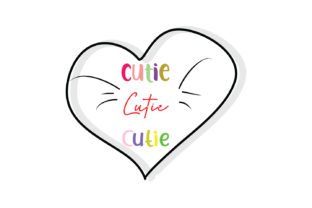
The name alone sets a tone of warmth and playfulness. From a visual standpoint, Cutie, Cutie, Cutie exudes a soft, inviting energy that feels perfectly suited for embroidery projects targeting families, nurseries, or gift-giving occasions. The layout appears balanced, suggesting that the design will sit well on various surfaces without looking cramped or overly sparse. In the world of graphics and digital assets, capturing attention quickly is key, and this design manages to convey its theme instantly.
For a small business owner or an Etsy seller, the visual appeal translates directly into sales potential. When customers see a finished piece with this kind of charming aesthetic, they associate it with care and quality. It creates an immediate emotional connection that generic text-based designs often lack. Whether you are creating a tote bag design for a local market or a personalized gift for a new parent, the mood of Cutie, Cutie, Cutie aligns naturally with products meant to be cherished.
Real-World Application: Where Does It Shine?
To truly understand the value of an embroidery file, you have to imagine it stitched out. I ran a few scenarios through my head regarding where Cutie, Cutie, Cutie would perform best. First, consider a sweatshirt embroidery project. The playful nature of the design would stand out beautifully against a soft fleece background, adding a touch of whimsy to casual wear. Similarly, for baby embroidery, such as on a onesie or a bib, the gentle curves and friendly vibe would make it an ideal choice for parents looking for something unique.
I also see significant potential in the realm of home decor. Imagine this design stitched onto a linen kitchen towel or a cotton pillow cover. The contrast between the texture of the thread and the fabric would add depth, making the item feel more artisanal. For those selling handmade products at craft fairs, this design could serve as a signature element for a line of holiday gifts. During the festive season, items featuring Cutie, Cutie, Cutie would likely catch the eye of shoppers looking for personalized gifts that feel special and thoughtful.
Furthermore, if you are an apparel decorator working on caps or hats, the design's composition seems versatile enough to adapt to curved surfaces, provided the curvature is not too extreme. It could easily become a staple for small shop product lines, offering a consistent look across different merchandise types like aprons, patches, and even embroidered patches for jackets.
Navigating Technical Challenges and Limitations
While the concept is strong, every experienced designer knows that execution is everything. There are specific situations where Cutie, Cutie, Cutie requires careful consideration. If you are working with a small hoop size, you must verify that the intricate details remain legible. Tiny lettering or delicate accents can sometimes get lost when the stitch density is pushed too high in a confined area.
Fabric choice plays a critical role in the final outcome. On textured fabrics like heavy denim or bouclé, the definition of the stitches might suffer, leading to a muddier appearance. Similarly, stretchy fabric like jersey knit requires a stabilizer strategy that prevents puckering; if the stitch density is too aggressive, the garment may warp over time. Dark fabrics present another challenge; unless you use a high-quality underlay or contrasting thread colors, the design might not pop as effectively as it would on light backgrounds.
Additionally, for products that require frequent washing, such as custom apparel or kitchen linens, you need to ensure the design is robust enough to withstand the agitation. Dense stitch areas can sometimes trap lint or cause stiffness, which might detract from the comfort of the finished product. Always inspect the design closely to ensure that decorative accents and detailed corners are optimized for longevity.
Impact on Brand and Customer Trust
In the competitive landscape of craft business and online marketplaces, the quality of your embroidery speaks volumes about your brand. A well-executed finished product featuring Cutie, Cutie, Cutie signals professionalism and attention to detail. Customers are more likely to trust a seller who delivers clean, crisp stitching with proper thread color contrast. Conversely, sloppy execution can damage brand consistency and reduce buyer engagement.
This design has the potential to enhance the perceived value of your items. When a customer receives a handmade product that looks polished and professional, they are more inclined to leave positive reviews and recommend your shop to others. The charm of the design adds a layer of giftability, making it easier for buyers to justify purchasing higher-priced items because they perceive them as unique and high-quality.
Essential Notes for the Practical Designer
Before you commit to a large production run, there are several steps you should take to ensure success. First and foremost, test the design on scrap fabric first. This allows you to assess the stitch density and see how the threads interact with the material without risking your inventory. Check the thread colors to ensure they provide enough contrast against your chosen fabric, especially if you are using dark materials.
Review the hoop size requirements carefully. If the design is larger than your machine's standard hoop, you may need to split the file or adjust the placement. Inspect small details closely; sometimes, what looks good on screen can appear blurry or broken after stitching. It is also wise to test the design in black and white mockups to see if the shape holds up without the distraction of color.
Don't forget to check your stabilizer usage. Using the wrong type of backing can lead to distortion, particularly on stretchy fabric or thin materials. Finally, confirm whether the license terms allow for commercial embroidery if you plan to sell the finished items. Ensure you understand the rights associated with the digital embroidery file before listing your printable mockup or selling your design assets.
Final Thoughts on Design Assets
Cutie, Cutie, Cutie is more than just a pretty image; it is a functional tool for creators looking to elevate their embroidery project offerings. Its versatility makes it suitable for a wide range of applications, from aprons and pillow covers to caps and boutique branding. By approaching this design with a critical eye and following best practices for stabilization and testing, you can transform a simple digital file into a standout physical product.
Whether you are a hobbyist looking to make a personalized gift or a seasoned creative entrepreneur expanding your catalog, this design offers a solid foundation for building customer loyalty. Just remember that the magic lies in the execution. Take the time to prepare, test, and refine, and you will find that Cutie, Cutie, Cutie becomes a go-to asset in your collection of design assets.