Farm Quote Cut File: A Designer's Review for Real Projects
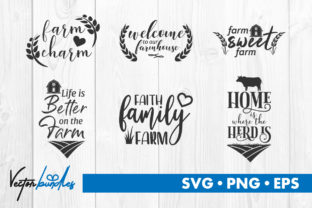
When I first opened the Farm Quote Cut File, my initial reaction wasn't about the file format or the pixel count. It was about the mood. In a sea of generic typography and overused clip art, this design carries a specific rustic warmth that feels authentic rather than manufactured. As someone who has spent years refining designs for actual embroidery machines and client projects, I look past the marketing fluff to ask one question: does this hold up under the needle? The answer is a qualified yes, provided you understand where it fits in your workflow.
The visual personality of this piece leans heavily into the cozy, countryside aesthetic that remains popular among crafters and small business owners. The lettering style suggests a handcrafted feel, which translates well to thread. When you are looking at embroidery project possibilities, the layout screams farmhouse chic. It naturally belongs on items that tell a story of home, family, or simple living. Whether you are creating a custom embroidered patch for a denim jacket or designing a nursery decor item for a baby shower, the Farm Quote Cut File offers a foundation that feels grounded and inviting.
Real-World Application: From Digital File to Finished Product
Let me walk you through a scenario I recently faced. A client approached me needing a personalized gift for a couple who had just moved into a renovated farmhouse. They wanted something unique for their kitchen but didn't want anything too mass-produced. I considered several options before settling on using the Farm Quote Cut File as the centerpiece for an apron design.
The challenge with any machine embroidery design is ensuring that the digital representation matches the physical result. On screen, the curves of the letters looked smooth. However, once I transferred the concept to the fabric, I realized how critical the stitch density would be. For a project like this, I chose a heavy cotton canvas for the apron. The texture of the fabric played beautifully against the clean lines of the quote. If I had used a thin, sheer fabric, the design might have looked lost or distorted. This highlights why understanding your substrate is just as important as the file itself.
The versatility of this asset extends beyond kitchen linens. Imagine applying this same design to a sweatshirt embroidery project for a local farm team or a tote bag design for a farmer's market vendor. The simplicity of the typography allows it to scale effectively. You can make it large and bold for a statement piece on a hoodie, or shrink it down slightly for a subtle accent on a tote bag. This adaptability is crucial for Etsy sellers and small shop product creators who need to offer variations without creating entirely new assets from scratch.
Navigating Technical Challenges and Limitations
While the design is strong, no single embroidery file is perfect for every situation. There are specific scenarios where the Farm Quote Cut File requires careful consideration to avoid disappointing results. One of the primary concerns is hoop size. If you attempt to stitch this in a very small hoop, such as those found on compact home machines, you risk losing the integrity of the letter spacing. Tight corners and intricate details often suffer when compressed, leading to puckering or thread breaks.
Fabric texture also plays a massive role in the final outcome. While it looks great on sturdy canvas or twill, placing it on stretchy fabrics like jersey knit without proper stabilization can lead to warping. The tension required to pull the threads tight enough to cover the background might distort the curve of the garment if not managed correctly. Similarly, working on dark fabric presents a visibility challenge. Unless you use a high-density underlay or a contrasting thread color, the design might get lost in the weave of the material.
I also advise caution when considering curved surfaces like caps. Embroidering a flat quote onto a curved brim or crown requires specialized techniques and often a different digitizing approach than what is typically included in a standard cut file package. If the original file is optimized for flat surfaces, attempting to force it onto a cap could result in uneven stitching or gaps in the lettering. Always test the design on scrap fabric first to gauge how the machine handles the specific geometry of your target item.
Visual Appeal and Customer Trust
In the world of handmade goods, presentation is everything. The quality of the embroidery directly influences customer trust and perceived value. A poorly executed design can make even the best idea look cheap. Conversely, a clean, well-stitched Farm Quote Cut File elevates the entire product. When a buyer sees crisp satin stitches and balanced fill areas, they associate that precision with professionalism. This is particularly important for commercial embroidery projects where brand consistency matters.
The design's ability to convey a sense of authenticity helps buyers connect emotionally with the item. It isn't just a logo; it represents a lifestyle. For holiday gifts or wedding favors, this emotional connection drives engagement. Customers are more likely to purchase a personalized gift that feels thoughtfully crafted rather than one that looks like a factory stamp. By paying attention to detail during the digitizing process—such as adjusting thread colors for optimal contrast—you ensure that the finished product meets the high standards expected by modern consumers.
Practical Notes for the Embroidery Designer
Before you commit to running a batch of these designs for a craft business order, there are several technical steps you must take. First, verify the licensing terms. Many digital products come with restrictions on commercial use, especially if you plan to sell the finished items. Confirm whether the Graphics category license allows for resale of physical goods created with the design.
Next, focus on thread selection. The success of a typography design often hinges on the contrast between the thread and the fabric. Test your chosen colors in black and white mockups to ensure the text remains legible. Sometimes, a color combination that looks good on a monitor fails miserably when stitched because the tones are too similar. Additionally, review the stitch density. If the file is too dense, it may cause the fabric to pucker, ruining the drape of the garment. If it is too sparse, the design will look weak and unfinished.
Don't forget to inspect small details. Zoom in on the vector paths to see if any anchor points are unnecessary or if the curves are jagged. These minor imperfections can become major headaches during production. Ensure you are using the correct stabilizer for your fabric type; a tear-away might work for a pillow cover, but a cut-away is likely necessary for a hat that needs to retain its shape after washing.
Finally, consider the longevity of the product. Will the design survive frequent washing? Dense stitch areas can sometimes trap lint or fade faster than lighter areas. By testing the durability of the finished product before listing it on Etsy or a boutique site, you protect your reputation and reduce returns. Taking the time to validate these factors ensures that your use of the Farm Quote Cut File results in a professional, high-quality asset that stands out in a crowded market.