Heart of Heart Embroidery Review
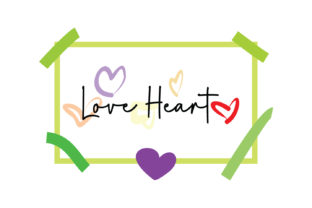
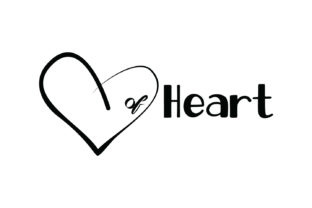
When I first opened the folder for Heart of Heart, I didn't just see a digital file; I saw a potential bestseller. As someone who spends their days evaluating designs for client projects and personal boutique lines, my first impression is usually about mood and versatility. This design radiates a warm, inviting energy that feels perfect for the current season of gifting and home decor. It strikes a balance between playful and sophisticated, making it a rare find in the crowded world of Graphics within the Crafts category.
The visual personality of Heart of Heart suggests it belongs in spaces where comfort and affection are prioritized. The layout appears clean enough to stand alone on a garment without looking cluttered, yet detailed enough to hold attention when viewed up close. For an embroidery designer, this is the sweet spot. It avoids the trap of being too generic while remaining accessible enough for hobbyists and seasoned professionals alike.
Real-World Application: From Screen to Stitch
Let's talk about how this design translates from a screen to a finished product. I recently simulated using Heart of Heart for a custom embroidered tote bag project intended for a local craft fair. The goal was to create a unique accessory that felt handmade but looked professional. When I ran the simulation, the design held its shape beautifully. It would look stunning stitched onto canvas or heavy cotton duck fabric, offering a high contrast that makes the stitching pop.
Imagine this same design applied to a soft sweatshirt for a baby shower gift. The curves of the heart motif complement the rounded shapes often found in nursery decor and infant apparel. Because the design includes vector files like Ai and Cdr, I could easily scale it to fit different areas of a garment without losing resolution. Whether it ends up as a chest logo on a hoodie or a central feature on a pillow cover, the visual weight of Heart of Heart ensures it remains the focal point without overwhelming the fabric.
For Etsy sellers and small business owners, this is a crucial consideration. Customers buying handmade products want to see quality. A well-executed embroidery project builds trust and justifies a higher price point. If you are creating personalized gifts, such as aprons for new cooks or kitchen towels for holiday hosts, this design adds a touch of elegance that elevates the perceived value of the item. It transforms a simple utility item into a keepsake.
Where to Exercise Caution
While Heart of Heart is versatile, no single design is a magic bullet for every situation. There are specific scenarios where this design requires careful handling to ensure a professional result. First, consider your hoop size. If you are working with a smaller embroidery hoop, you must verify that the fine details of the design do not get lost or distorted during the digitizing process. Tiny corners or intricate inner sections might need to be simplified if the final stitch count becomes too dense for the available space.
Fabric texture plays a massive role in the final look. On highly textured fabrics like chunky knits or rough linen, the definition of the satin stitches may soften. Conversely, on thin or stretchy fabrics, there is a risk of puckering if the stabilizer isn't chosen correctly. I always recommend testing the design on scrap fabric before committing to the final piece. This is especially true for dark fabrics, where thread color contrast is critical. You will need to select thread colors that provide enough luminosity against the background to maintain the design's integrity.
Curved surfaces, such as caps and hats, present another challenge. While the DXF and EPS files included allow for cutting machine applications which can be useful for applique work, the embroidery itself needs to account for the curvature of the hat. If the design is too wide, it might distort around the brim. Similarly, for items that require frequent washing, like baby clothes or kitchen linens, check the stitch density. High-density fill stitches can sometimes cause stiffness that wears poorly over time, so ensuring the design is optimized for durability is key.
Design Assets for Commercial Success
For those of you running a craft business or selling digital embroidery files, the inclusion of multiple formats is a significant advantage. Having both Adobe Illustrator (Ai) and CorelDRAW (Cdr) files means you have full control over the vector graphics. This allows you to create printable mockups that look realistic in your online store listings. You can place the design on various backgrounds to show customers exactly what they are getting.
The presence of DXF and EPS cut files also opens the door for hybrid projects. You could use the cut files to create applique patches that are then embroidered, adding texture and dimension to your embroidered patch creations. This layering technique is popular in boutique branding and can set your products apart from competitors who only offer flat embroidery.
However, before you start mass-producing items for sale, you must confirm the licensing terms. Even though the download provides extensive file types, the legal right to sell finished goods made from these files is separate. Always read the license agreement to ensure you are covered for commercial use. This protects your reputation and prevents legal headaches down the line.
Practical Designer Notes for Execution
If you decide to move forward with Heart of Heart, here is my checklist for a flawless execution:
- Test on Scrap Fabric: Never skip this step. It reveals issues with tension, needle size, and fabric compatibility immediately.
- Check Thread Color Contrast: Run the design in black and white mockups to ensure the light and dark areas of the embroidery will distinguish themselves on your chosen fabric.
- Review Stitch Density: Look at the fill stitches. Are they too tight? Too loose? Adjust the settings based on your specific machine capabilities.
- Confirm Hoop Size: Ensure your design fits comfortably within your hoop, leaving enough margin for clamping.
- Inspect Small Details: Zoom in on the vector files to see if any tiny elements might be difficult to stitch or cut accurately.
- Use Proper Stabilizer: Match your stabilizer type (cut-away, tear-away, or wash-away) to the fabric weight and the intended use of the final product.
- Licensing Verification: Double-check the terms regarding commercial sales of finished items versus digital resale.
In conclusion, Heart of Heart is more than just a pretty graphic; it is a functional tool for creators. Its adaptability makes it suitable for everything from a quick weekend hobbyist project to a high-volume commercial production run. By understanding its strengths and respecting its limitations, you can produce finished products that customers love and cherish. Whether you are decorating a holiday gift, launching a new line of custom apparel, or expanding your Etsy seller inventory, this design offers a solid foundation for creativity. Just remember that the secret to great embroidery lies in the preparation and the care taken during the stitching process.