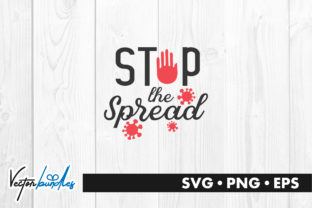
Stop the Spread Quote: A Designer's Real-World Embroidery Review
In my years of evaluating digital assets for the embroidery industry, I have seen countless designs that look perfect on a screen but fall apart under the needle. When I first opened the file set for Stop the Spread Quote, my initial reaction was one of cautious optimism. This isn't just another generic graphic; it carries a specific weight and mood that demands careful execution. As a designer who values practical application over flashy marketing, I wanted to see how this piece would translate from a digital vector into a tangible, stitched reality.
The visual personality of the design is immediately striking. It conveys a message of public health and community responsibility without being overly aggressive. The typography feels modern yet accessible, making it suitable for a wide range of applications. However, the success of any machine embroidery design relies heavily on how well the layout accommodates thread tension and fabric movement. In this review, I will walk you through exactly how Stop the Spread Quote performs when moved from the computer to the hoop, offering insights for anyone looking to incorporate this asset into their craft business or personal projects.
From Screen to Stitch: The First Impressions
When evaluating a new embroidery file, the first thing I look at is the stitch density and the flow of the lines. For Stop the Spread Quote, the layout appears balanced, with enough negative space to prevent the threads from puckering the fabric. The phrase itself is likely designed to be read quickly, which suggests a clean use of satin stitch for the lettering and perhaps a running stitch or fill stitch for any accompanying graphical elements like virus icons or abstract shapes.
The mood created by this design is serious but hopeful. It speaks to a time of collective effort and care. This emotional resonance makes it particularly effective for items meant to foster connection, such as community event gear or charitable fundraiser merchandise. Unlike purely decorative patterns, this design has a narrative purpose. It tells a story before the viewer even touches the fabric. For a small business owner or an Etsy seller, this kind of storytelling is invaluable because it elevates a simple product into something meaningful.
Real-Life Application: Tote Bags and Custom Apparel
To truly test the potential of Stop the Spread Quote, I imagined placing it on a variety of common products. Let's start with a canvas tote bag. This is a staple in the craft business world, often used for market days or boutique branding. If I were to embroider this quote on a sturdy cotton canvas, the design would likely hold up well. The flat surface of a tote allows for consistent stitch density, ensuring that the text remains legible even after multiple washes.
However, moving to custom apparel changes the game. Consider a unisex sweatshirt. While the design looks great on a mockup, the stretchy nature of jersey or fleece requires a different approach. Using the right stabilizer becomes critical here. Without proper backing, the tension of the stop the spread letters could cause the fabric to pucker, ruining the professional look of the finished product. For a commercial project, I would recommend testing this on a scrap piece of the actual garment material first. If the design includes fine details, they might get lost in the texture of a heavy knit fabric.
I also considered the potential for baby clothing. There is a growing demand for personalized gifts that reflect current events, and a subtle, tasteful version of this design could work beautifully on a onesie or a nursery blanket. The key here is scale. On a tiny baby item, large blocks of text can overwhelm the garment. If the file offers scaling options, adjusting the size to fit a chest pocket or a sleeve cuff would create a more sophisticated handmade product.
Where Caution is Required
While Stop the Spread Quote is versatile, there are specific scenarios where it might struggle. One major pitfall is attempting to use this design on textured fabrics like corduroy or thick wool. The uneven surface can disrupt the path of the needle, leading to skipped stitches or a muddy appearance. Similarly, thin fabrics like silk or lightweight polyester require extra care. The density of the fill stitches might be too heavy, causing the fabric to tear or wrinkle around the design area.
Curved surfaces present another challenge. If you plan to put this on a cap or a hat, the curvature of the brim can distort the lettering. Unless the design is specifically digitized for curved surfaces, it may appear stretched or compressed on the final object. Additionally, dark fabrics pose a visibility issue. If the design relies on light-colored threads, it might not pop against a black hoodie without a contrasting underlay or a background patch. Always check the thread colors provided in the file and ensure they offer sufficient contrast against your intended fabric.
For those creating embroidered patches, the edge finish is crucial. If the design includes intricate corners or very small details, these areas might fray if not properly secured during the cutting process. Dense stitch areas can also trap heat during ironing, so be mindful when pressing the finished item.
Impact on Brand Value and Customer Trust
In the world of Etsy sellers and small shop products, the quality of the stitching directly impacts customer trust. A poorly executed design can make a brand look amateurish, regardless of how good the concept is. Stop the Spread Quote has the potential to enhance a brand's image if executed correctly. It signals that the maker understands the importance of clear messaging and professional presentation.
When customers receive a personalized gift or a boutique item featuring this design, they are buying into the sentiment behind the words. A crisp, clean embroidery job reinforces the value of the product. It shows attention to detail and respect for the recipient. Conversely, a sloppy job can undermine the entire message. Therefore, investing time in pre-production checks is not just about technical accuracy; it is about maintaining the integrity of your brand.
For digital product sellers, having high-quality printable mockups of this design is essential. Showing how the design assets look on real fabrics helps buyers visualize the final result. If the original file includes both SATIN STITCH and FILL STITCH variations, showcasing these differences in your listings can help customers choose the right style for their needs.
Practical Notes for the Embroidery Designer
Before you commit to a full production run, follow these essential steps to ensure success with Stop the Spread Quote. First, always test the design on scrap fabric. This simple step reveals issues with tension, stabilizer choice, and thread color that you cannot see on a screen. Check the hoop size requirements carefully; if the design is larger than your machine's hoop, you will need to split the file, which adds complexity and risk of misalignment.
Inspect the small details closely. Are the serifs sharp? Is the spacing between letters consistent? If the file is an SVG or PNG intended for conversion, verify that the paths are clean and free of unnecessary nodes. For commercial projects, confirm the licensing terms explicitly. Some digital files allow for single-use personal projects, while others permit unlimited sales of finished goods. Understanding these distinctions protects you from legal trouble down the line.
Finally, consider the washing instructions. Will the finished product be subjected to frequent laundering? If so, ensure the stitch density is high enough to withstand friction. Test a sample wash cycle to see if the threads pill or fade. By taking these precautions, you transform a simple digital download into a reliable component of your creative workflow.
In conclusion, Stop the Spread Quote is a compelling addition to any graphics collection for the crafts enthusiast. It balances timely relevance with aesthetic appeal, making it a strong candidate for various embroidery projects. Whether you are creating holiday gifts, launching a new line of custom apparel, or simply adding a touch of meaning to your home decor, this design offers a solid foundation. With careful planning and attention to the nuances of machine embroidery, it can become a standout piece in your portfolio.